


15th of March 2001, #2 Engine lost, Blog #738

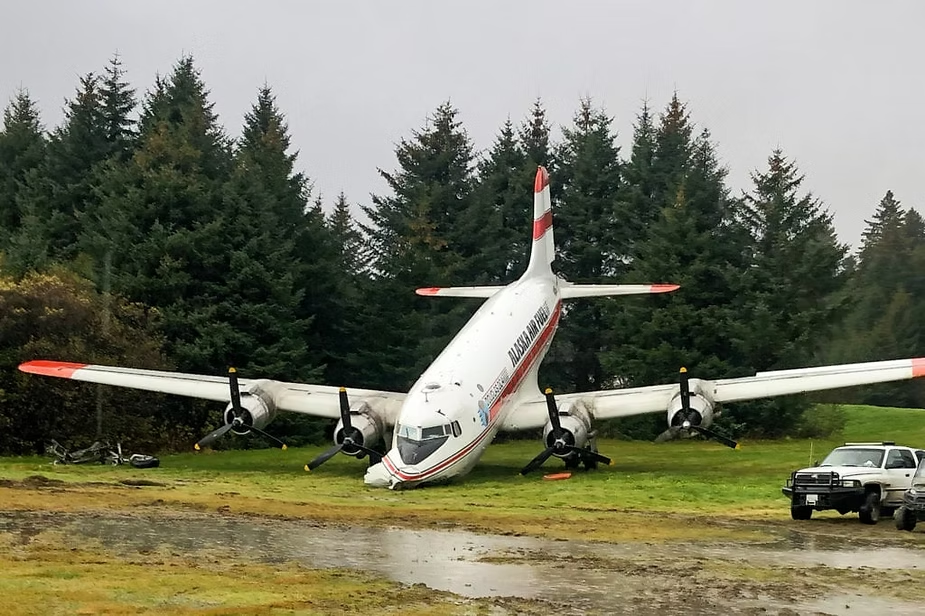
A Douglas C-47A-80-DL, built in 1944, was operating a cargo flight between Panama City–Bay County International Airport (Florida, USA) and Albany–Dougherty County Airport (Georgia, USA). On board were the captain and co-pilot. After departure, the aircraft climbed normally and settled into cruise at an altitude of 1,500 feet (450 meters).

During the cruise phase of the flight, the crew suddenly heard a loud “bang” from the left side of the aircraft. Reacting immediately, they carried out a visual check and noticed a reflection that appeared to indicate an engine fire in one of the nacelles. Moments later, the co-pilot confirmed that the fire was coming from the right-hand engine.
Following established emergency procedures, the crew shut down the right-hand Pratt & Whitney R-1530-90D engine, rated at 1,200 horsepower. However, the propeller failed to feather, creating additional drag on the aircraft.
As the crew activated the fire-extinguishing system for the No. 2 engine, an even more serious development occurred: the entire engine separated from its mounts. The separation also resulted in the complete loss of hydraulic pressure.
The crew immediately declared an emergency and initiated a diversion to Donalsonville. Despite the loss of the engine and hydraulic pressure, the pilots maintained control of the aircraft and carried out a single-engine emergency landing on Runway 18 at Donalsonville. The landing was completed without further incident.

The separated right-hand engine was later discovered approximately 10 miles (16 kilometers) from Donalsonville, having come to rest in the backyard of a farmhouse.
The engine was subsequently recovered and transported for examination by the National Transportation Safety Board (NTSB).
During the detailed examination of the Pratt & Whitney R-1530-90D engine, investigators made several significant findings:
The No. 12 cylinder had failed and separated from the crankcase.
The No. 12 connecting rod was bent and fractured at the piston pin.
Oil from the No. 12 cylinder was found throughout the engine, including within the exhaust system.
Evidence of fire was observed along the trail of engine oil.
The No. 7, No. 8, and No. 9 cylinders had separated from the engine case.
The engine was seized and could not be rotated.
Investigators also determined that the engine had accumulated 506 hours since its last overhaul (TSO — Time Since Overhaul).
In its final report, the NTSB concluded:
“The probable cause(s) of this accident were the failure and separation of the No. 12 cylinder from the engine case, resulting in an in-flight oil-fed fire, and the subsequent separation of the right engine from the airframe.”
The full NTSB report is available by clicking on the .pdf file at the end of this blog.



Comments